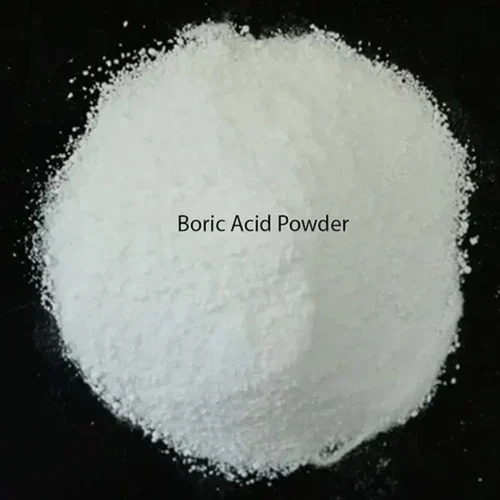
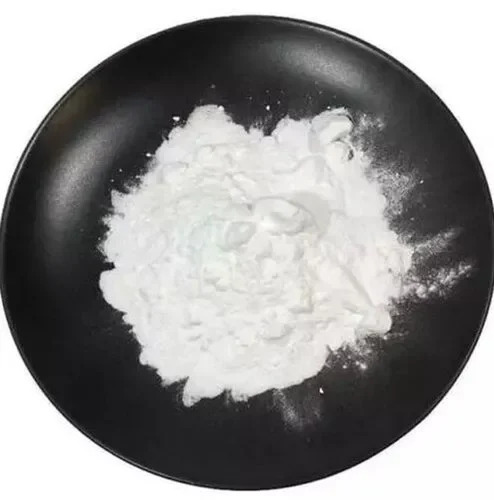
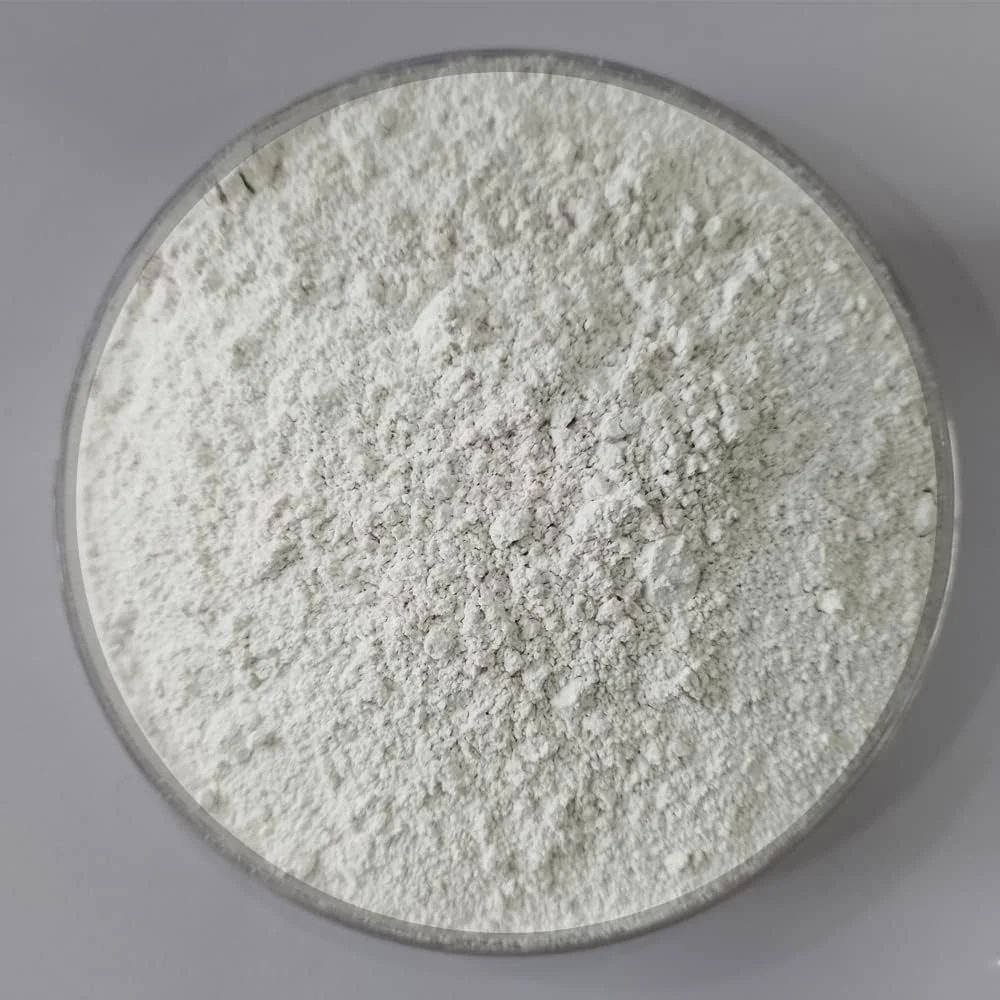
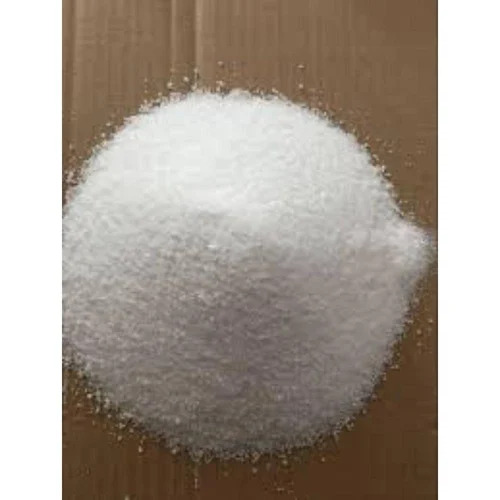
Industrial Boric Acid Powder ($\text{H}_3\text{BO}_3$) is a high-purity, white crystalline powder widely utilized across manufacturing, metallurgical, and chemical formulation industries. Known for its heat-resistance, fluxing abilities, and flame-retardant properties, it serves as a versatile raw material in various industrial applications.
Chemical & Physical Properties
-
Chemical Name: Boric Acid (Orthoboric Acid)
-
Molecular Formula: H3BO3
-
Molecular Weight: 61.83 g/mol
-
CAS Number: 10043-35-3
-
Purity / Assay: 99.0% 99.5% Minimum
-
Appearance: Free-flowing white powder or micro-crystals
-
Melting Point: 170.9 C
-
Boiling Point: 300 C (Decomposes)
-
Density: 1.435 g/cm
-
Solubility: Soluble in water, glycerol, and alcohol
-
pH Level: 3.8 5.1 (slightly acidic in aqueous solution)
Key Features & Benefits
-
Thermal Stability: Reduces thermal expansion and increases heat resistance in glass and ceramic glazes.
-
Flame Retardancy: Absorbs heat through endothermic decomposition, releasing water vapor to suppress combustion.
-
Chemical Buffering: Maintains stable pH levels in industrial electroplating and water treatment solutions.
-
High Purity: Meets industrial specifications for trace impurities, ensuring minimal interference in catalytic or metallurgical processes.
Industrial Applications
-
Glass & Fiberglass: Used as a flux to lower melting temperatures and strengthen monofilament/textile fiberglass, heat-resistant glass, and LCD displays.
-
Ceramics & Enamels: Improves glaze adherence, surface finish, and thermal durability.
-
Wood Preservation & Textiles: Formulated into flame retardants and timber treatments to prevent fungal decay and pest damage.
-
Chemical Synthesis & Metallurgy: Functions as a welding/soldering flux, dry lubricant additive, and electroplating bath buffer.






 Send Inquiry


 English
 Spanish
 French
 German
 Italian
 Chinese (Simplified)
 Japanese
 Korean
 Arabic
 Portuguese